
PC Clive Danster- The UNDRIP(United Nations Declaration on the Rights of Indigineous People)


On todays episode we interview PC Clive Danster, Paramount Chief of the Xau-Sakwa Royal House, and the definition of the UNRIP and how this document that was signed by 144 countries including South Africa, has helped him, his wife and Chiefs of the Xau-Sakwa Royal House, win victory after a long court case.
Part Three: What does the word “Coloured” mean to you?
Part Two: What does the word “Coloured” mean to you?
Our First Conversation with Chieftess Wanda Danster and Victoria Von Andrews!!!
This Conversation is based around the topic of the term “Coloured”. In recent media, this topic has become vital vocal point amongst many communities and we discuss it to the best of our abilities.First Episode
We are here!!!
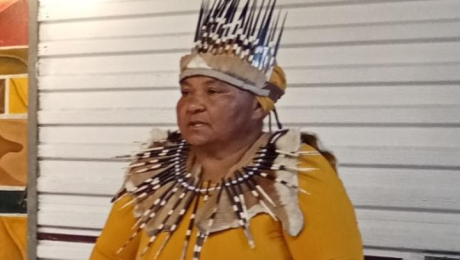
Xau-Sakwa Tribal song by Chief Daphne Pereira
Nation Building

The history of the Xau-sakwa started its journey right in the western cape. This was confirmed by a European writer by the name of Dapper in 1668. The name of the book is African regions and their people where he mentions the Sonqua people as indigenous people to that area. It was at the arrival of the first Europeans in the seventeenth century that the survival of the San was seriously threatened as the land hungry colonist consolidate their hold over the Cape driving the Sonqua out. At Peers Cave Evidence of the precolonial life on the Cape Peninsula. In 1963 the remains of 9 people presumably ancestral San have been recovered from this site. Some of these remains date back to 12000 years ago making them the oldest remains found within a 100 meters of Cape Town. John Wright University of Natal Pietermaritzburg Introduction (Wrote: The Bushman or San as a number of writers now called them constitute a population group which was clearly distinct from the Hottentots and that of the Bantu. They were widely regarded as being different both ethnically. They were seen as distinct people with distinct culture and separate organizations.
Our Party
The history of the Xau-sakwa started its journey right in the western cape. This was confirmed by a European writer by the name of Dapper in 1668. The name of the book is African regions and their people where he mentions the Sonqua people as indigenous people to that area. It was at the arrival of the first Europeans in the seventeenth century that the survival of the San was seriously threatened as the land hungry colonist consolidate their hold over the Cape driving the Sonqua out. At Peers Cave Evidence of the precolonial life on the Cape Peninsula. In 1963 the remains of 9 people presumably ancestral San have been recovered from this site. Some of these remains date back to 12000 years ago making them the oldest remains found within a 100 meters of Cape Town. John Wright University of Natal Pietermaritzburg Introduction (Wrote: The Bushman or San as a number of writers now called them constitute a population group which was clearly distinct from the Hottentots and that of the Bantu. They were widely regarded as being different both ethnically. They were seen as distinct people with distinct culture and separate organizations.
Our Leadership
The history of the Xau-sakwa started its journey right in the western cape. This was confirmed by a European writer by the name of Dapper in 1668. The name of the book is African regions and their people where he mentions the Sonqua people as indigenous people to that area. It was at the arrival of the first Europeans in the seventeenth century that the survival of the San was seriously threatened as the land hungry colonist consolidate their hold over the Cape driving the Sonqua out. At Peers Cave Evidence of the precolonial life on the Cape Peninsula. In 1963 the remains of 9 people presumably ancestral San have been recovered from this site. Some of these remains date back to 12000 years ago making them the oldest remains found within a 100 meters of Cape Town. John Wright University of Natal Pietermaritzburg Introduction (Wrote: The Bushman or San as a number of writers now called them constitute a population group which was clearly distinct from the Hottentots and that of the Bantu. They were widely regarded as being different both ethnically. They were seen as distinct people with distinct culture and separate organizations.
Our Culture
The history of the Xau-sakwa started its journey right in the western cape. This was confirmed by a European writer by the name of Dapper in 1668. The name of the book is African regions and their people where he mentions the Sonqua people as indigenous people to that area. It was at the arrival of the first Europeans in the seventeenth century that the survival of the San was seriously threatened as the land hungry colonist consolidate their hold over the Cape driving the Sonqua out. At Peers Cave Evidence of the precolonial life on the Cape Peninsula. In 1963 the remains of 9 people presumably ancestral San have been recovered from this site. Some of these remains date back to 12000 years ago making them the oldest remains found within a 100 meters of Cape Town. John Wright University of Natal Pietermaritzburg Introduction (Wrote: The Bushman or San as a number of writers now called them constitute a population group which was clearly distinct from the Hottentots and that of the Bantu. They were widely regarded as being different both ethnically. They were seen as distinct people with distinct culture and separate organizations.